 With the World Cup only a week away, the passion of nations is about to be put on display for the world to see. The line between ecstasy and exasperation will be measured in moments and inches rather than hours and yards. Preparations for this spectacle have been going on for years because for most of us, it is just that big of a deal. Soccer truly is its own religion. The problem, however, is the same as it is with most religions. When people care that much about something, they tend to leave their ability to reason at the door. Passion trumps perspective and people lose sight of what is TRULY important. This is extremely evident in soccer’s hate triangle*.
 This past weekend at my son’s game, it became evident that there are a lot of negative feelings swirling around the soccer fields these days. There is obviously plenty of excitement and passion to go around but the negative feelings are also ubiquitous. Most of the time these feelings are directed at a particular group of people involved. Every game has the potential to become a powder keg as tempers (both expressed and unexpressed) flare up. Three groups represent the biggest sources of animosity and project it outward toward one or both of the others. Coaches, Parents and Referees are the adults surrounding a game. While stuck in the middle are the young people that the game is supposed to be for. Obviously not every parent, coach or referee has these negative feelings toward the other groups but it is so ever-present that most kids are affected.
So in the name of the children that we are supposed to be helping navigate this game and life, here are some suggestions on how to break the hate triangle:
Walk a mile – It’s so extremely easy be an expert on something that you’ve never done. Perspective is a game changer. So if you’re a parent or coach who regularly finds fault with referees, sign up for a course or volunteer to “referee” a scrimmage game within your club. These simple actions can give you the perspective of the other party. Empathy is a key component to breaking down the walls between opposed people. One of the best ways to cultivate empathy is through a different experience.
Communicate only when emotion is low – Do your best not to say (or scream) what you’re thinking in that heated moment. Pause and wait for a time when you and the other party are calm to discuss situations.
Remember people – More than likely you’re not dealing with the reincarnation of Genghis Khan. This person is not a demon. They are another human that has a family, friends and a job. It’s easier to judge someone else as bad based on one moment of their life. While I’m sure that you’ve handled every situation of your life perfectly, it might not be fair or helpful to hold everyone to a standard of perfection.
Be a person you’d like to meet – If the roles were reversed, would you want to deal with you? Putting the best version of yourself forward gives an example for the other side to live up to. At bare minimum in these tumultuous times, people might not show you their best side. You should never lower yourself to become a person that you don’t like.
These are not the only strategies but they’re a start. In the end we need to remember every single weekend that the World Cup is most likely not at stake in the game that we’re involved with. Something more important is. The future of how our young people relate to one another is being formed at every moment. How many more generations do we want to keep in soccer’s hate* triangle?
Break the cycle!
Pete
*(I use the word hate on purpose. It is more to describe the depth of feeling rather than pervasiveness of that feeling.)
 Man has created several “boxes” to travel in. They have been created to make certain types of travel quicker and safer. The most literal box is the elevator. It makes travel between floors of a building faster. In the beginning there was danger of cables breaking or other malfunctions but elevators have become ever faster and safer over the years. We have several other boxes, which gain in speed and safety as we pass through time: the car, the train, the airplane and the list goes on. Traveling in boxes has become a way of life for most people. We depend upon them heavily.
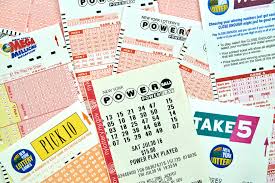 Imagine there was a Happiness Lottery. Once per week some lucky person would be awarded a lifetime supply of happiness. Of course there would need to be some payment for the ticket. Since the normal lottery requires a small amount of money in exchange for the chance at the big cash prize, it stands to reason that the Happiness Lottery would require a small happiness sacrifice to get into the big drawing. How many times would you play? How much of your daily happiness would you sacrifice on the long odds of Happiness Lottery? My hope is that you wouldn’t hang your hope for happiness on luck but rather come up with a systematic plan to create happiness and compound that which you already have.
 Most of the time soccer is a noun but today I’m going to use it as a verb. Of course when you are creating a new word, it’s important to define it. Here is my explanation of the term.
 Fantasy sports are a popular pass time for many people. It is no longer a young male adult game but something that any sports fan can attempt. For me, the only one that has ever held my attention was fantasy football. The scoring is easy to follow and the games are only once per week. The concept behind fantasy sports is a simple one, try to compile the best team that you can in order to earn the most points each week. There are many different perspectives on drafting players but the overwhelming concept is filling your team with as many “superstars/point getters” as you possibly can.
 There are plenty of commercials from my childhood that stick out. Growing up at the beginning of the Super Bowl Commercial craze gave us plenty of memorable advertisements. “Where’s the beef?” from Wendy’s. Bird vs Jordan shooting contest. This is your brain on drugs. These all caught my attention because they were either clever or memorable for positive reasons.
 It is one of my favorite exchanges from the classic movie, Tombstone.
 My fear is not that the word will only mean “people that you relate with mainly online” but rather that the word is becoming devalued. It is common for people to have hundreds of “friends” online and this is great. Keeping relations with people from great distance and from other life periods is an amazing advancement. The concern is that all of these tiny and relatively “easy” relationships will make true, closer and more “difficult” relationships seem like too much work. It’s easy to become intoxicated in the numbers game of friends. Having more of something, does not particularly make life richer. Perhaps even, the collection of a maximum number of “friends” might just mean that the collector doesn’t truly have any. The word starts to lose all meaning when it is applied to basically everyone.
 For me, I’d rather go the route of Doc Holliday. Going all in on the people who truly matter. Having those few but special people in life that you’re willing to go into war with (figuratively or literally). Those types of bonds make us stronger people and better humans. So have a social network by all means! But never lose sight of the difference between your
  Despite being a 41 year old man, I really like the Harry Potter movies and watch them regularly. My wife would say that it’s because of Emma Watson but that’s not quite the truth. The story itself is what draws me in. It’s a pretty classic story of good vs. evil with enough twists and turns to make it unique. I’m also very interested in young people and how they learn to find their way through the world. Obviously completely fictitious but in parallel to the real world, one major failing of Hogwarts is to maintain a consistent Defence Against the Dark Arts teacher. In that world, the imminent danger of Voldemort made that post important. In our much less magical world, the danger does not come from a completely evil dark lord but rather other young people trying to find their way in the world.
 In the real world, young people are increasingly living their lives in a virtual world where the perceived becomes as important or more important than the real. So they are fighting in a world of perception when they are still learning how to perceive themselves. If you know of someone who is struggling to manage the world, here are some starting points:
 The discussion of the GOAT is always tough because it brings apples against oranges and people’s personal perspective weighs heavily on their arguments. The comparison of Messi vs Ronaldo could be a more objective conversation but adding Pele into the mix makes things much more difficult. Considering different eras and playing landscapes muddies the waters to the point where the argument says more about what the fan values rather than what the player meant in their own time. With all of those points well established from the outset, I am not at all bashful about nominating my mom as the Youth Soccer Fan GOAT! This is not a son’s love for his mother taken to the extreme. In fact, I thought my mother was one of the worst fans at the time but given years to evaluate and compare, she truly was the best.
 I have a very clear recollection of the day that I passed the test that told me that I was ready to be a father. I was on the bottom floor of my in-laws’ house on a lake in Virginia. A strange sound came from outside that I didn’t recognize. A few seconds later my wife (now ex) screamed my name. It was the kind of scream that I knew something was wrong. I jumped up and sprinted out the door. When I reached her on the deck outside, I quickly found out the source of the sound and why she screamed. Our dog, Kelme, was pinned down by another dog that was attacking him. The two dogs were about ten feet below the deck on the rocks that sloped down toward the lake. Without a moment’s hesitation, I jumped over the deck’s railing and dropped the ten feet landing next to the two dogs. Luckily my sudden appearance and loud shouts were enough to scare the dog off without my having to fight him. I picked up Kelme and raced him to the vet. His wounds were very minor and he made a full and energetic recovery. It was after that incident that I knew for sure that I could be a father.
 Not everyone gets that type of real life test that tells them something important about themselves. Generally people have to take a leap of faith that they can handle the situation. The phrase there is not unimportant, “leap”. I can’t say for certain whether I would have gotten the same type of self-assurance from that situation had I run down the stairs to Kelme’s aid. The jump was important because it separated me completely from safety and put me directly into harm’s way: both from the rocks and the dog. The willingness to take the risk of the leap was key. Lives don’t need to be at stake. Broken limbs and dog attacks don’t need to be risked.
 Huryk Unlimited