In soccer, the best players don’t control every moment. They create space. They anticipate. They make the people around them better. The playmaker isn’t the loudest or always the flashiest, he’s the one who sees the whole field and moves the game forward with intention. That’s what great dads do. They watch, they guide, and when the moment is right, they can change everything.

For a while now, though, a lot of dads have been stuck on the sideline. Watching, waiting, wondering how to re-enter the game. The world has shifted under their feet. The old playbook doesn’t quite fit anymore. In the wake of cultural reckonings; from #MeToo to questions about toxic masculinity. Many men have gone quiet. Some out of guilt, others out of confusion. What does it mean to lead without dominating? To protect without controlling? To care without losing yourself?
It’s not an easy set of questions. But maybe that’s the point. This generation of dads has a chance to model a new kind of strength: one that trades authority for empathy, volume for vision, and reaction for responsibility. The game hasn’t changed as much as the way we need to play it.
Fatherhood has always been part construction site, part classroom. We build, we teach, we fix. Sometimes we do it well, sometimes clumsily. The past few years have reminded us that brute force and certainty aren’t the same as wisdom. A lot of men have been told to sit down, listen, and reassess. Honestly, in some cases that was necessary. But now it’s time to take what was learned on the bench and put it into play.
Because the world doesn’t need quieter men. It needs better communicators. Not withdrawn spectators, but intentional playmakers. Men who understand when to press, when to pass, and when to let someone else take the shot.
Soccer dads know that feeling all too well. The helplessness of watching from the sidelines as their kid struggles through a tough game. The urge to fix everything is powerful. But the real lesson isn’t about control; it’s about trust. About giving space to grow while staying close enough to catch them if they fall. That balance between patience and presence might just be what our culture is missing most.
We don’t need men who dominate. We need men who direct. Men who don’t mistake power for purpose or silence for humility. We need dads who understand that their example off the field matters far more than their commentary from the sideline.
So yes, maybe Soccer Dads can help redirect the world, not through lectures or louder voices, but through consistent, grounded leadership. Through showing up. Through making the right pass at the right time.
Because the truth is, the world doesn’t just need to be saved, it needs to be played well.
And it’s time for the dads to get back in the game.
“I love you guys so very much, on three!”
Pete

 I remember playing soccer as a kid pretty vividly. There’s a smattering of games, practices, camps, travel and associated activities swimming around inside my head. Perhaps I’ve forgotten but there was only one time that I ever considered “quitting” soccer and that was near my transition to high school. However that was because I was considering going out for football. So other than that, I truly don’t have a recollection of not wanting to play anymore. Perhaps I’m wired differently because I also ran track through high school and into college. Basketball got left behind as a sophomore in high school. That was more of a “talent” and interest thing than burnout. When you’re getting the token minutes as a freshman, the writing is on the wall. I needed to get a lot better in order to be successful at the sport that was not my priority.
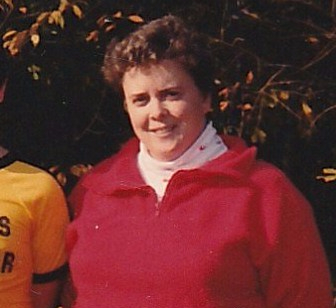 The discussion of the GOAT is always tough because it brings apples against oranges and people’s personal perspective weighs heavily on their arguments. The comparison of Messi vs Ronaldo could be a more objective conversation but adding Pele into the mix makes things much more difficult. Considering different eras and playing landscapes muddies the waters to the point where the argument says more about what the fan values rather than what the player meant in their own time. With all of those points well established from the outset, I am not at all bashful about nominating my mom as the Youth Soccer Fan GOAT! This is not a son’s love for his mother taken to the extreme. In fact, I thought my mother was one of the worst fans at the time but given years to evaluate and compare, she truly was the best.
 It was a big deal! I remember it very plainly. My parents, brothers and I would all sit down with popcorn and watch “The Wizard of Oz”. It was an annual occasion. The movie is definitely a classic but I think that the ritual and nostalgia factor make it a little more important for me. Despite being released in 1939, the story stands the test of time. A young girl has a magical adventure that ends up being a dream but she learns that her search to distant lands led her back to the home and people that really mattered in the first place. Most of the things that she desired or feared ended up being fake or easily defeated.
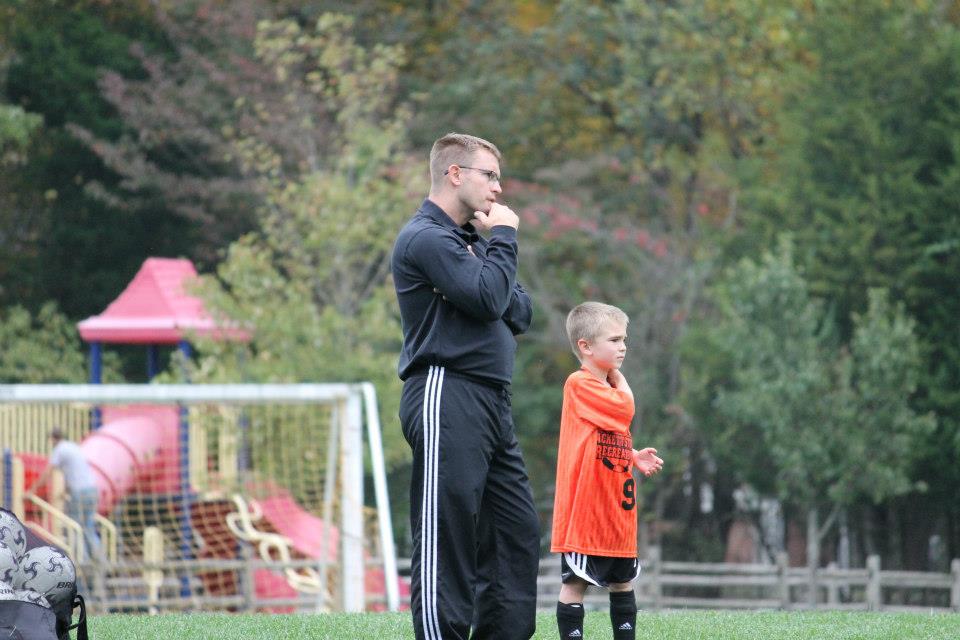 Soccer is an inherently simple game that has so much to offer to the people who play and watch it. The positives that it offers to young players are generally intrinsic rather than extrinsic. Physical fitness, self-confidence and camaraderie just to name a few. None of these positives require talent, tryouts or trainers, OH MY! In fact all three may inhibit the expansion of these intrinsic positives because they are all short term. Talent is relative and momentary. Tryouts make players commodities first and people second. Trainers are generally interested in the short-term improvement of skills in a very selective area. It is not that these things are without their place. However they should not be the silver bullets that are used to propel our young players forward. If the vast majority of youth soccer players are not going to end up in the top two tiers of involvement, then should we (the adults) be building the yellow brick road? Or finding our way back to Kansas?
 Huryk Unlimited