Blogpost, self-reliance

Barbers and Mechanics

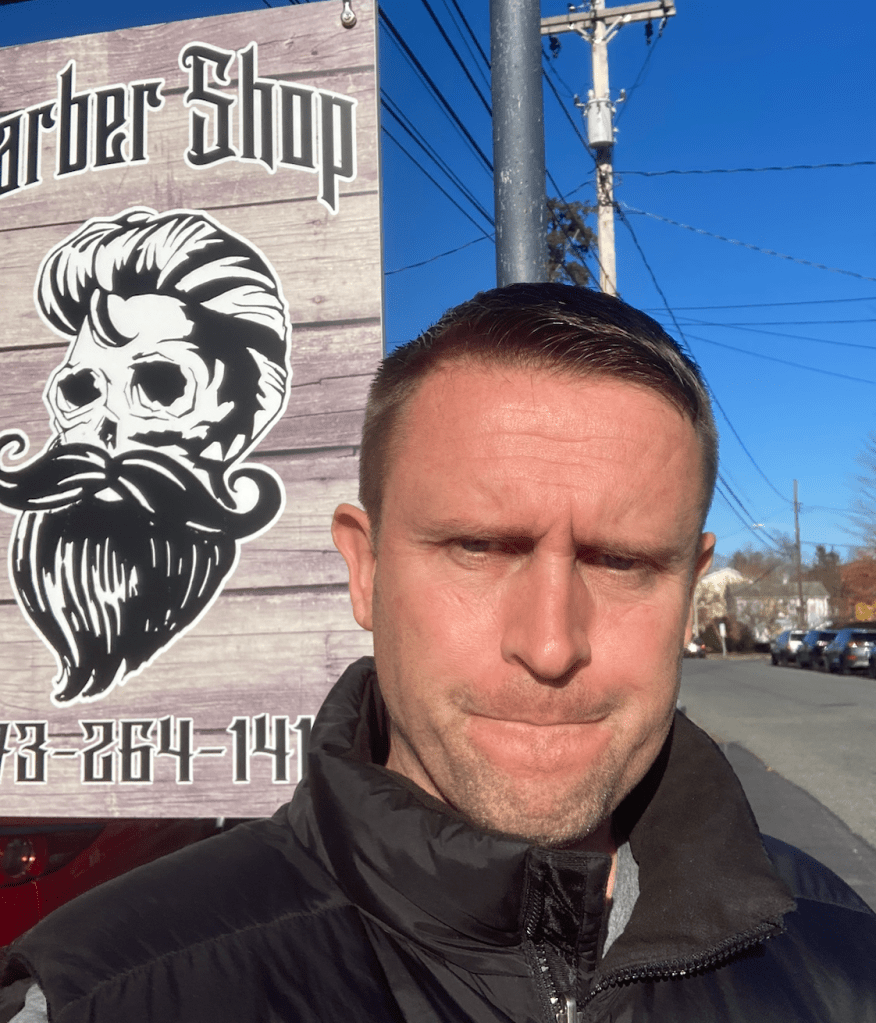
When I moved to Virginia from New Jersey, one of the most upsetting things was leaving my barber behind. Mand’s Barbershop in Hackettstown was the best find the year prior to my move. The owner, Amanda Sunshine, cut my hair perfectly, is a great conversationalist, remembers exactly what I want done, plays good music, and is just all-around awesome. For the first few years, I delayed haircuts just to travel back to New Jersey — literally for a haircut. I’ve found people who’ve done a passable job since, but no one has replaced Mand’s. Finding a barber takes time because it comes down to trust.
In a few months, I’ll be moving again. The search for a barber continues, but this time I’m leaving behind a good mechanic — Ed’s Automotive in Lynchburg. That may be an even bigger trust factor. With modern cars, the possibility of being “taken for a ride” always exists. I was glad to find Ed’s. They fixed a problem another mechanic may have created. But once again, I have to leave that trust behind for a new zip code. Even with all of today’s technology, you can’t take everything with you.

The essence of trust is consistency, not perfection. No one delivers perfect results — not barbers, not mechanics, not spouses, not colleagues. Trust is built in the ordinary repetitions. Showing up. Doing the work. Owning the mistake. Doing it again tomorrow.

Most of the world measures everything in dollars. But money isn’t the only currency we trade in. Trust is harder to calculate, but far more valuable. You can’t Venmo it. You can’t download it. And when you move, you can’t pack it in a box and take it with you.

I can’t take my barber or my mechanic with me. But wherever I go, I’ll be there. And at that point, it’s on me.

It’s my job to build trust. Not just look for it.

Day by day. Moment by moment.

You have to build it again.

Maybe that’s the point.

Pete
Blogpost, self-reliance

Results Are On Layaway!

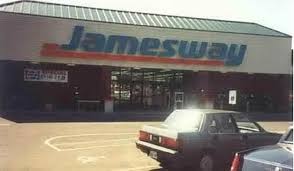
The concept is old. Not many stores do it anymore with the rise of credit cards and Buy Now, Pay Later arrangements. Still, I remember it well. My mother at Jamesway (a Walmart-like store, for those unfamiliar) putting an item on “layaway.” The store would hold the item for you while you paid it off over time. You didn’t get it until the final payment was made.

By modern standards, it may seem antiquated or even a bit strange, but it was actually a far more sensible way to make a big purchase. The incentive to finish paying was obvious—you didn’t have the thing yet.

Despite stores abandoning the system, that’s still how results work.

Results are on layaway until they’re paid for.

Life, unfortunately, is not a fully reputable vendor. Payment doesn’t guarantee the exact result you want. Sometimes it feels like a strange mix of layaway and lottery, effort and chance. It can be infuriating. It can also be exhilarating. What makes it harder is that our consumer culture of “buy now, pay later” has quietly seeped into how we think about everything else.

The idea of putting in regular—sometimes daily—effort toward a desired outcome feels foreign. People want what they want, on their terms, and as quickly as possible. Layaway feels like yesterday’s news.

I’m not always one for nostalgia, but this is one idea that deserves a comeback—not in commerce, but in mindset. In how we think about effort, patience, and reward. There are no guarantees, but recognizing that progress usually follows a reliable path matters more than ever. In far too many ways, we’ve maxed out our credit.

It’s time to put payment first again.

Put this aside for me—I’ve got to get to work.

Pete

Blogpost, self-reliance

Looking Past the Headlights

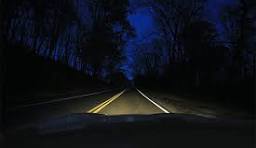
Driving at night is a pretty dicey affair when you think about it. You’re moving forward at speed with not much more than thirty yards of vision and a yellow or white line to guide you. At the same time, complete strangers are coming at you in the opposite direction with their own ton or more of metal and plastic. It’s a scenario full of real danger. And yet, we look past the oncoming headlights and fix our eyes on the destination. More often than not, we get where we meant to go. The limited sight distance and the doom three feet away don’t stop us.

Take us out of that context—away from paved roads and traffic signals—and we freeze. Paralyzed. All we see are the headlights of doom as we chart a course toward a dream. The distance feels too far. The next steps too uncertain. Our foot is surgically attached to the brake pedal. Forward motion seems reckless. Better to stay here, in the known.

The problem with standing still is that you can’t. The world is moving whether you notice it or not. Time, relationships, money—pick your metric. Opportunities are coming, and if you’re not ready to meet them, they’ll pass you by. So put your foot on the accelerator and look past the headlights in front of you. The danger you’ve built up in your head around chasing that dream is far less treacherous than driving at night.

Get in gear and go.

Pete